How I structure each walkthrough

Hear all three voices

When I unpack a complex finance decision, I start by naming the concrete tension in a single sentence. Then I ask who feels it most on the floor, who feels it in the ledger, and who feels it in long-term planning. This three-voice view keeps us from solving the problem for only one group while quietly creating new strain for another.

Describe the present clearly

Next, I sketch a short, sensory description of the current state: how busy the yard feels, how often the line stops, how full the inbox is with supplier messages. These details anchor the numbers. When we later compare options, we can ask not only what changes on paper, but also what changes in noise level, shift stress, and maintenance calls.
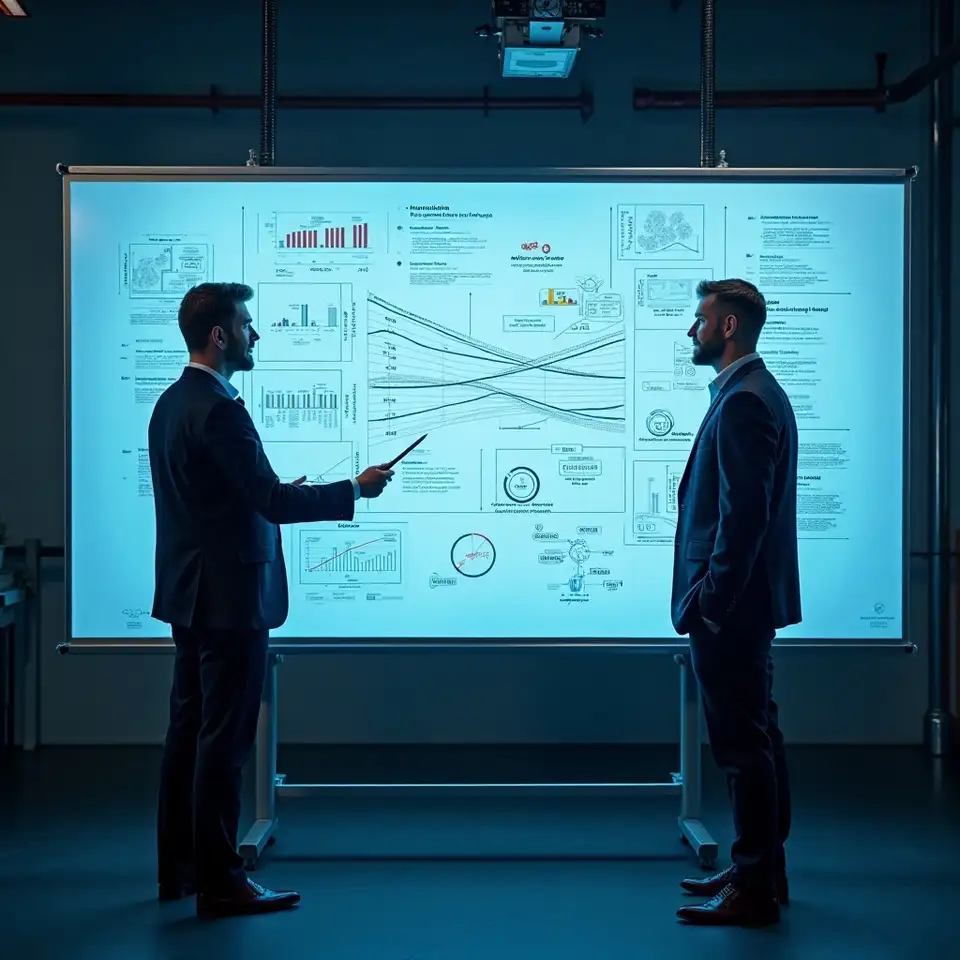
Operations and finance team mapping scenarios on a whiteboard

Pair options with precedent

Finally, I outline a few grounded paths forward and pair each with a brief historical echo from similar Canadian cases. This mix of present detail and past pattern helps you choose a direction that respects both your immediate reality and the wider industrial context.

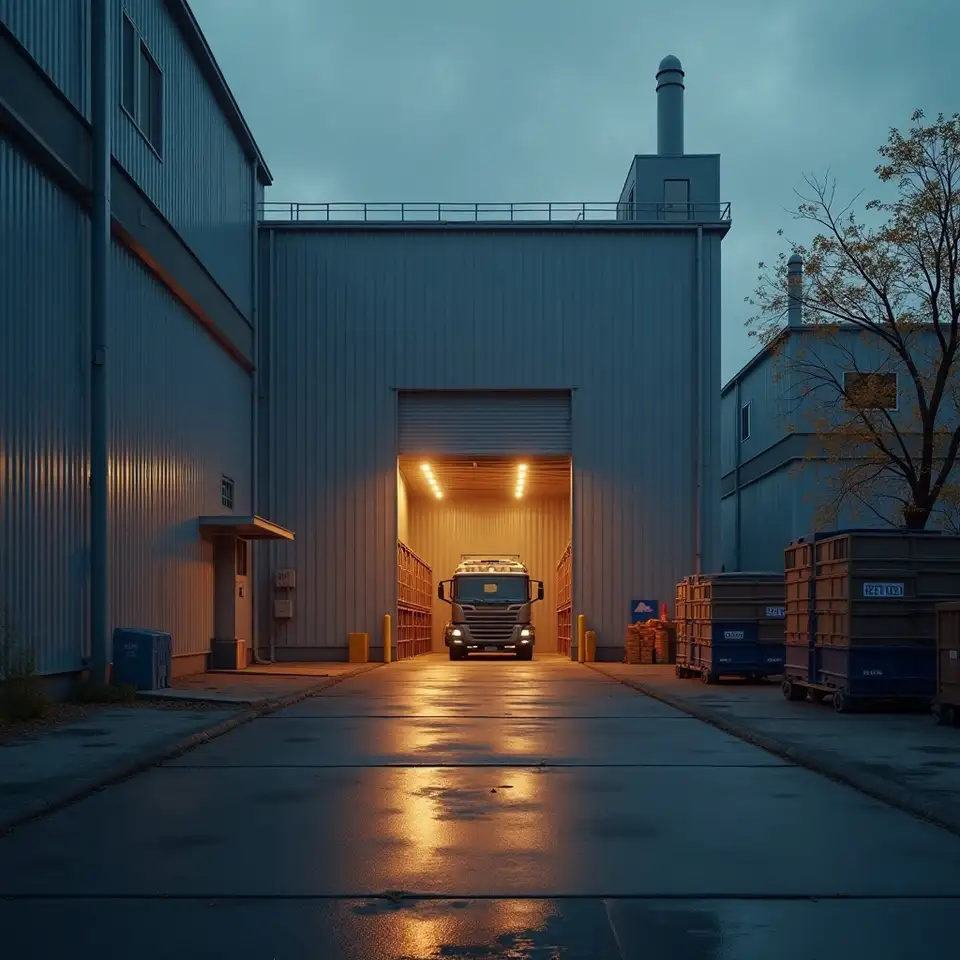
Canadian factory exterior at dusk with focus on long term decisions

If you have a specific plant, warehouse, or contract decision on your mind, I am happy to walk through it with you, using the same calm, case-style rhythm I describe here, tailored to Canadian conditions in 2026.

What real cases tend to reveal

Staged capacity moves

In a composite example of a fabrication plant outside Toronto, the team faced recurring overtime and frequent subcontracting. Instead of pushing for an immediate new line, I walked them through a staged bridge: modest process changes, a shift pattern tweak, and a time-bound trial of extra capacity. This slower arc revealed that some pressure came from contract timing, not just equipment limits, changing how they framed the next capital move.

Client mix clarity

For a logistics hub serving multiple provinces, the real tension sat in payment terms rather than square footage. By tracing the history of key contracts, we saw that a few large clients consistently paid late. The case-style walkthrough focused less on expansion and more on rebalancing the client mix and adjusting terms. The after state was not bigger; it was steadier, with less strain on working capital.

Fabrication plant team discussing capacity options
Manager reviewing logistics hub performance at night

Pilot before full rollout

In a food processing context, a planned automation project looked attractive on paper but felt risky on the floor. I used the Before–Bridge–After Map to compare a full rollout with a pilot on one line. By naming the operational and cash trade-offs clearly, the team chose the pilot path, giving themselves room to learn and adapt before committing further.

A humble, structured stance

Across these examples, the common thread is humility. I do not arrive with a perfect answer. I bring structure, questions, and historical echoes, then we build a path that fits your plant’s texture, your region, and your tolerance for uncertainty.

Team reviewing industrial finance scenarios together

Scenario mapping on the plant floor

Scenario mapping, as I use it, starts with one concrete tension on your site: a bottlenecked line, a client with demanding terms, or a piece of aging equipment that keeps failing. I stand with you in that moment and ask what would happen if demand rose, fell, or simply shifted shape. Together, we sketch two or three grounded futures, each tied to operational triggers you can actually see, not abstract forecasts.
From there, I layer in cash timing, contract clauses, and capital commitments, always linking back to the sounds and rhythms of your plant. This is not a classroom exercise; it is a working conversation that turns vague unease into a small set of options you can compare. By the end, you have a simple, visual map you can share with colleagues, showing how each path touches your day-to-day operations and your longer-term resilience.

Why I use case-style walkthroughs

Case thinking, in my world, means walking through a real industrial finance decision slowly enough that you can feel each step. Before I sketch numbers, I picture the plant floor, the shift pattern, the noise of forklifts or conveyors. I want to know who first felt the tension: a supervisor watching overtime climb, a controller tracking payables, or a logistics lead staring at a crowded yard. That lived pressure is the before state. It is messy, urgent, and full of half-finished conversations between operations and finance. The after state I aim for is not a perfect model. It is a shared, calm picture of what the decision really costs in cash, time, and flexibility. I use a simple internal method I call the Before–Bridge–After Map. First, I describe the current situation in plain language. Then I draw the bridge: two or three realistic paths the team could take, each with a short list of trade-offs. Finally, I describe the possible after states, not as promises but as grounded scenarios. This rhythm repeats across warehouse expansions, equipment upgrades, and contract renegotiations, and it slowly builds a common language inside your Canadian industrial business.

Using history without getting stuck in it

Historical precedent, for me, is less about charts and more about stories that rhyme. When I sit with a plant manager or controller, I often reach back to earlier industrial cycles in Canada: times when borrowing felt easy, times when demand dipped suddenly, times when input prices climbed while selling prices lagged. I use those memories as gentle guardrails. They remind us that today’s pressure is not entirely new, and that certain patterns repeat in familiar ways. In practice, I fold that history into each case-style walkthrough. If we are talking about a new line, I recall how other plants fared when they added capacity ahead of demand. If we are discussing long customer terms, I remember what happened to similar businesses when cash tightened. I do not present these as rules. I present them as quiet warnings and quiet encouragements, side by side. The goal is to help you feel the weight of a decision without freezing, and to see that cautious, stepwise moves have often served industrial operators well over time.

Walking through a warehouse decision

To make industrial finance feel real, I often start with a composite example drawn from past Canadian projects. Imagine a mid-sized warehouse on the edge of a growing city. Pallets stack higher every month, trucks queue at peak times, and a tired supervisor keeps asking for more space. The finance side sees rising overtime, rising lease costs, and a client mix that shifts with each season. In the old pattern, the team might jump straight to a single big decision: sign for a larger site and hope demand holds. That is the before state. With a case-style walkthrough, I slow the story down. I map the flows: inbound, storage, outbound, and the cash timing behind each stream. I note where goods sit longest, where labour spikes, and where payment terms stretch working capital. Then I sketch three bridges: reconfigure the current space, add a satellite site, or commit to a larger consolidation hub. For each path, I describe how it would feel in daily operations and how it would echo through the ledger over several years. This is not formal advice. It is a way to see, on one page, how a space decision is also a finance decision, a staffing decision, and a resilience decision for your industrial business in 2026.

What you can expect from a case-style session

Clear problem framing across plant and finance

I begin each discussion by defining the key tension in one sentence, then mapping how it shows up in operations, finance, and long-term planning. This shared starting point keeps everyone anchored as we explore options and trade-offs together.

Structured paths from tension to decision

Using the Before–Bridge–After Map, I lay out two or three realistic paths you could take, describing how each one would feel on the floor and on your balance sheet. This simple structure turns a fog of possibilities into a manageable set of choices.

Historical echoes as gentle guardrails

I weave in lessons from past Canadian industrial cycles, highlighting patterns that tend to repeat when conditions tighten or expand. These historical echoes act as quiet guardrails without dictating your choices.

Plain summaries for shared understanding

After each walkthrough, I leave you with a short, plain summary you can share with supervisors, finance staff, and leadership. It captures the core tension, the options we explored, and the trade-offs you agreed matter most.

Cookies and similar technologies

You can change your mind later through your browser or the consent tools on this site.

Your cookie choices on this site

I use cookies to keep this site running reliably and to see which industrial finance topics visitors read most.

Essential cookies

Needed to keep the site secure, stable, and working

Analytics cookies

Helps me understand visits and improve explanations

To learn more about how I handle personal data, which cookies I use, and how your choices are applied under Canadian and related rules, please read the Privacy Policy and Cookie Policy.

Privacy Policy